


1 / 10
AED
39,987
Yearly

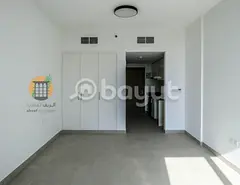
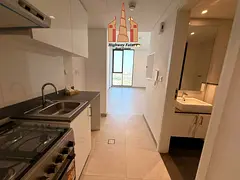
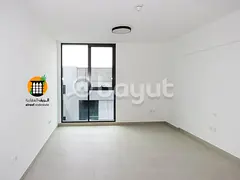
Studio

1 bath

490 sqft

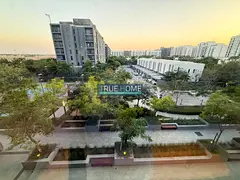
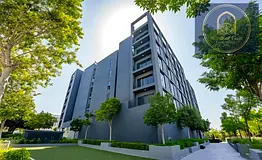
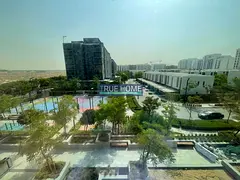
Areej Apartments, Aljada, Sharjah, UAE
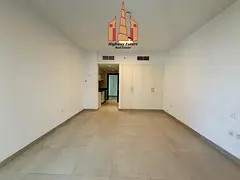
SPACIOUS AND VERY NICE STUDIO APARTMENT-RENT 40k IN 4CHQS
Type
Apartment
Purpose
Rent
Furnishing
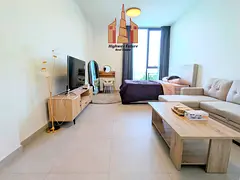
Unfurnished
Updated
5th June 2026
Aljada is one of the most modern and rapidly developing communities in Sharjah, United Arab Emirates. Designed as a mixed-use urban destination, it offers residential apartments, villas, retail spaces, schools, parks, and entertainment zones. The project is widely marketed as a lifestyle community that promotes convenience, modern living, and multicultural harmony. However, like many large residential developments around the world, discussions sometimes arise regarding discrimination — whether social, economic, cultural, or perceived unfair treatment among residents or visitors. Understanding this topic requires a balanced and thoughtful perspective rather than assumptions or generalizations.
First, it is important to clarify what “discrimination” means in a community context. Discrimination does not only refer to race or nationality; it can also include unequal treatment based on income level, language barriers, religion, gender, or even lifestyle differences. In residential communities, discrimination may appear subtly — for example, preference given to certain tenants, unequal access to facilities, or social exclusion in neighborhood interactions. In most modern planned communities, official policies are typically designed to be inclusive, but human behavior and personal biases can still create challenges.
First, it is important to clarify what “discrimination” means in a community context. Discrimination does not only refer to race or nationality; it can also include unequal treatment based on income level, language barriers, religion, gender, or even lifestyle differences. In residential communities, discrimination may appear subtly — for example, preference given to certain tenants, unequal access to facilities, or social exclusion in neighborhood interactions. In most modern planned communities, official policies are typically designed to be inclusive, but human behavior and personal biases can still create challenges.
Posted on: 14th February 2026
Amenities

Central A/C & Heating

Concierge Service
+26 More

Private Garden

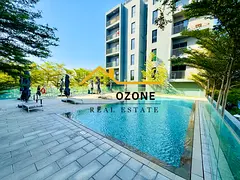
Shared Pool

Security

Covered Parking

Pets Allowed

Double Glazed Windows

Day Care Center

Electricity Backup

First Aid Medical Center

Service Elevators

Prayer Room

Laundry Room

Broadband Internet

Business Center

Intercom

Kids Play Area

Maintenance Staff

CCTV Security

Cafeteria or Canteen

Facilities for Disabled

Storage Areas

Cleaning Services

Barbeque Area

Lobby in Building

Waste Disposal
Map View
Areej Apartments, Aljada, Sharjah, UAE

More Info
Reference ID
8982-q9jvqJ


Similar Properties




- Accounting / Finance
- Automobile
- Beauty / Salon
- Cleaner / Housekeeper
- Construction
- Cook / Chef
- Customer Service / Call Centre
- Data Management & Analysis
- Design
- Driver / Delivery
- Education
- Engineering
- Event Management & Operations
- Handyman / Technician
- HR / Admin
- Information Technology
- Legal Services
- Logistics & Distribution
- Manufacturing / Warehouse
- Marine Captain / Crew
- Marketing / Advertising
- Media, Art & Entertainment
- Medical / Healthcare
- Real Estate
- Restaurant Operations
- Sales / Business Development
- Secretarial / Front Office
- Security / Guard
- Sports & Fitness
- Travel & Hospitality
- Others
- Jobs Wanted
- Electronics
- Computers & Networking
- Business & Industrial
- Home Appliances
- Sports Equipment
- Clothing & Accessories
- Cameras & Imaging
- Jewelry & Watches
- Pets
- Musical Instruments
- Gaming
- Baby Items
- Toys
- Tickets & Vouchers
- Collectibles
- Books
- Music
- Free Stuff
- Lost/Found
- DVDs & Movies
- Furniture, Home & Garden
- Mobile Phones & Tablets
العربية